

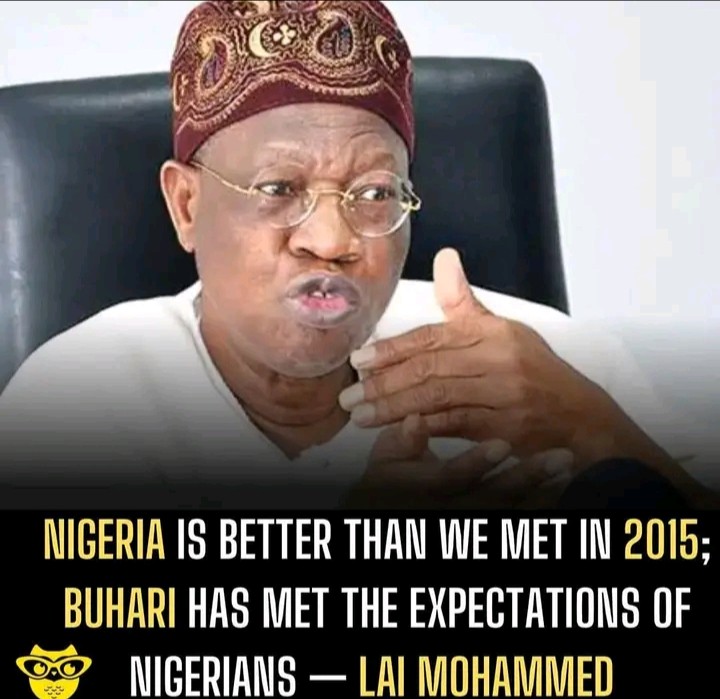
Recently, Nigeria’s Minister of Information and Culture, Lai Mohammed, praised the progress that Nigeria has made under the leadership of President Muhammadu Buhari. The minister cited several achievements of the Buhari administration, including the defeat of Boko Haram insurgents, an increase in rice production, and the construction and rehabilitation of thousands of kilometers of roads. The administration’s social intervention programs have also benefited millions of Nigerians, feeding 10 million students daily and supporting two million households through conditional cash transfers.
Mr. Mohammed’s statement echoes recent reports from global organizations that have recognized Nigeria’s advancements in certain sectors. For example, the World Bank predicts that Nigeria’s economy will grow in 2021 and 2022, after contracting due to the COVID-19 pandemic. The United Nations has also praised Nigeria’s efforts in achieving the Sustainable Development Goals, highlighting progress in reducing poverty, improving access to education and healthcare, and promoting gender equality.
However, Nigeria still faces challenges, including insecurity, corruption, and unemployment. The recent #EndSARS protests have highlighted the need for police reform and an end to police brutality. It is crucial for the government to prioritize inclusive growth and development that benefits all Nigerians, including those in marginalized communities.
While Nigeria has made significant progress under the Buhari administration, there is still much work to be done. The government must remain committed to addressing the country’s challenges and promoting inclusive development for all Nigerians. By doing so, Nigeria can continue to build a prosperous and progressive country for its citizens.
In addition to the challenges mentioned, Nigeria also faces economic challenges, including high inflation and debt. The country’s debt profile has increased significantly in recent years, with the government borrowing heavily to fund infrastructure projects and social programs. This has raised concerns about Nigeria’s ability to repay its debts and maintain its credit rating.
Moreover, the COVID-19 pandemic has had a significant impact on Nigeria’s economy, with many businesses struggling to stay afloat and millions of people losing their jobs. The government’s response to the pandemic has been criticized for being inadequate, with some Nigerians complaining that the relief measures have not reached those who need them the most.
To address these challenges, the Nigerian government needs to prioritize policies that promote economic growth, reduce inflation, and create jobs. The government also needs to implement measures that improve the business environment and attract foreign investment. Moreover, the government needs to take steps to address the root causes of insecurity, corruption, and poverty, which have hindered Nigeria’s progress for decades.
Nigeria has made significant progress under the Buhari administration, as acknowledged by the Minister of Information and Culture and global organizations. However, there are still challenges that need to be addressed, including insecurity, corruption, unemployment, and economic challenges. The government needs to remain committed to promoting inclusive growth and development that benefits all Nigerians, and take bold steps to address the root causes of the country’s challenges. By doing so, Nigeria can continue to build a prosperous and progressive country that meets the aspirations of its citizens


