
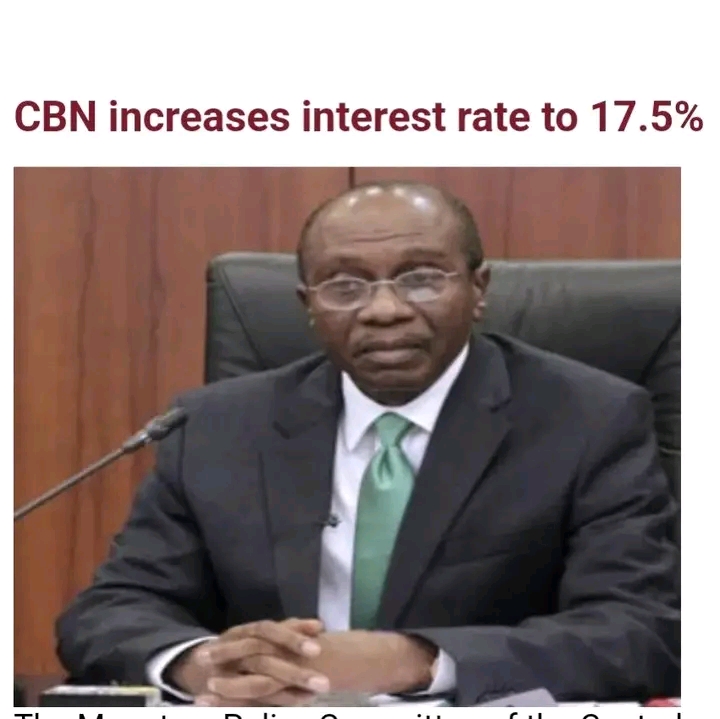
The Central Bank of Nigeria (CBN) has raised its benchmark interest rate by 100 basis points, from 16.5% to 17.5%, in an effort to control inflation. This marks the fifth time the CBN has raised interest rates, despite calls from stakeholders for the opposite. The CBN’s decision to raise interest rates is aimed at bringing inflation back within the target range of 6-9%, but it may also slow down economic growth and increase borrowing costs for companies and households. The CBN will continue to monitor the situation and adjust its policy stance as necessary, also considering the balance in the foreign exchange market. It is important to note that the CBN’s decision to raise interest rates may also have an impact on the country’s overall economic performance. Higher interest rates can make it more expensive for companies to borrow money and invest in growth, which can slow down the economy. This can have a ripple effect throughout the economy, as companies may need to lay off employees or decrease wages to cope with the increased borrowing costs. This can lead to reduced consumer spending, which can further slow down economic growth. Higher interest rates can also affect the housing market, as it can make it more expensive for individuals to borrow money to buy a home. This can lead to decreased demand for housing, which can have a negative impact on the construction industry and related industries. Overall, the CBN’s decision to raise interest rates is a complex issue that has both positive and negative effects on the economy. While it is aimed at curbing inflation and stabilizing the economy, it may also have negative impacts on economic growth and on companies and households. It is important for the CBN to continue to monitor the situation and adjust its policy stance as necessary, taking into account the possible impact on all aspects of the economy


Recent Comments
on Hello world!