
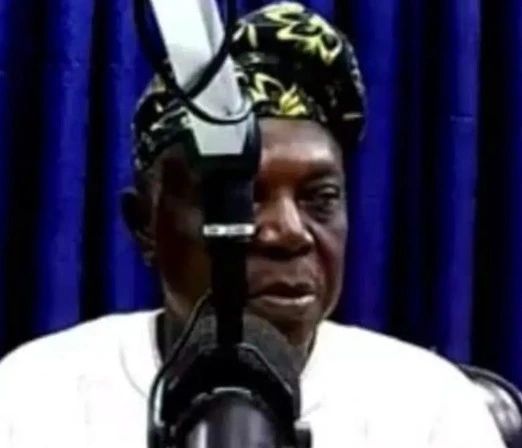
Baba Bintin, an Ibadan-based radio presenter, has d!ed after collapsing on his way to work at Fresh FM station on Saturday, March 11. The deceased had been scheduled to appear on a program with Olalomi Amole and Komolafe Olaiya at Ayefele Music House in Challenge, Ibadan, but was unable to afford transportation due to the ongoing Naira currency shortage in Nigeria. Reports suggest that Baba Bintin had been trekking from Amuloko area, where he lived, to the studio when he collapsed and died.
The scarcity of Naira notes in Nigeria has been ongoing since February, following the Central Bank of Nigeria’s (CBN) redesign policy. The CBN phased out old N200, N500, and N1000 notes and introduced new ones, but some governors challenged this action in court. The court later ruled that old N500 and N1000 notes should remain legal tender until December 2023, but the Federal government and CBN have yet to comply with the ruling, resulting in a shortage of Naira notes across the country.
This tragic incident highlights the severity of the ongoing currency crisis in Nigeria and the real-life consequences that people are facing as a result. It is important for the government and CBN to take swift action to address this issue and ensure that citizens have access to the currency they need to carry out their daily activities safely and without fear of harm.
The scarcity of Naira notes has affected many Nigerians, especially those who live in rural areas or have low incomes. People are forced to wait in long lines at banks and ATMs for hours, only to find that they cannot withdraw the cash they need. As a result, many are unable to pay for basic necessities such as food, transportation, and medical expenses.
The situation has also led to an increase in crime, as some individuals turn to robbery and other illegal activities to obtain cash. In addition, businesses are struggling to operate as they are unable to access the funds needed to purchase supplies and pay their employees. This has resulted in widespread job losses and economic hardship.
The government and CBN have a responsibility to address this issue and find a solution to the ongoing currency crisis. They must ensure that there is enough cash in circulation to meet the needs of the population and take measures to prevent a similar situation from occurring in the future.


