

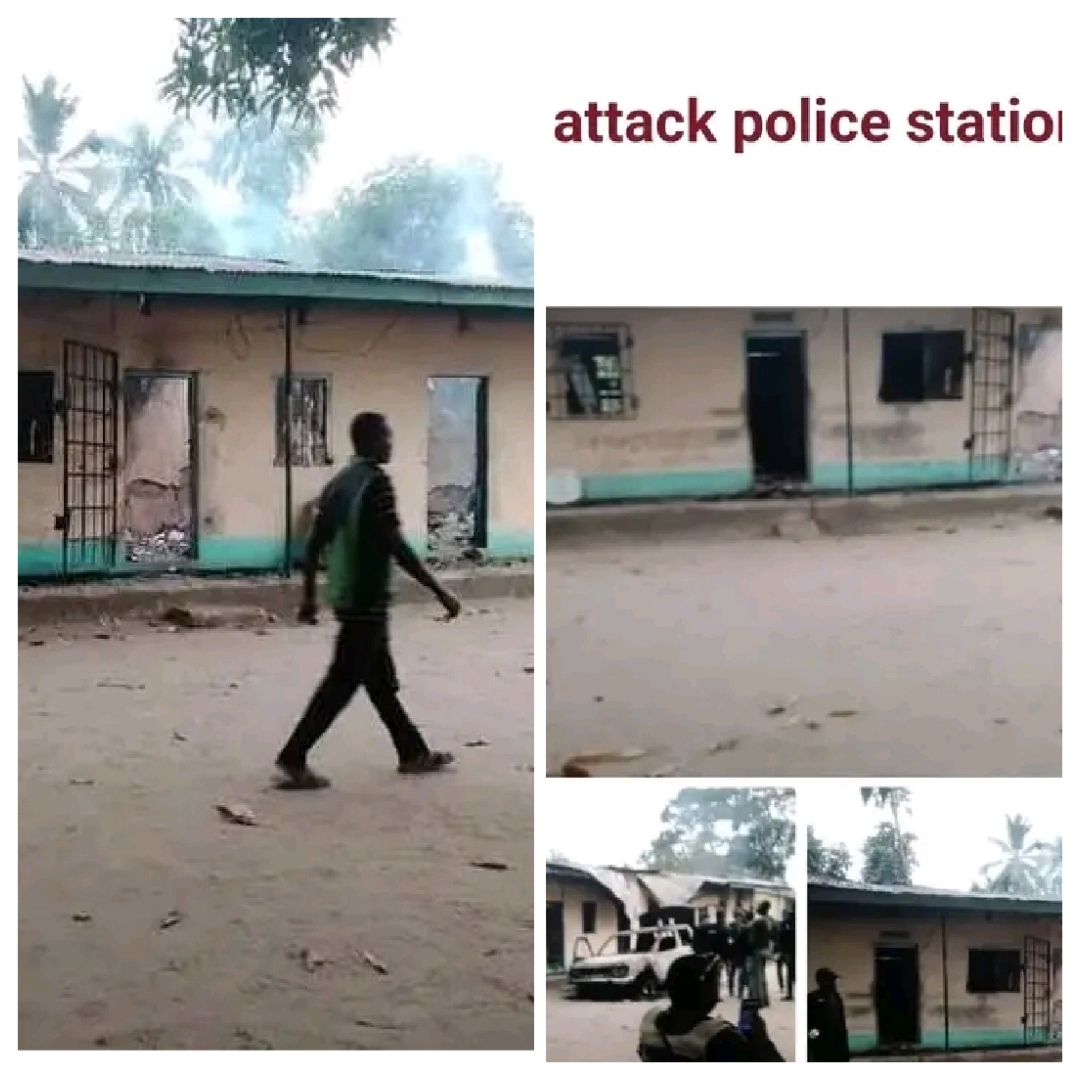
Gunmen attacked the Ugwunagbo Police Divisional Headquarters in Ihie, Abia State, setting the premises on fire and vandalizing the station, including the DPO’s office. The two police officers on duty were overpowered, and it is uncertain if any suspects were in custody during the attack. The Divisional Police Officer escaped unharmed, but a police constable was injured and is receiving medical attention. The police command confirmed the attack, and an investigation is ongoing.
The reason for the assault is unclear, but sources suggest that the hoodlums viewed the police station as an easy target due to the low number of officers present. This attack is part of a series of security incidents in Nigeria, particularly in the southern part of the country, with a surge in kidnappings and other violent crimes. The Nigerian government has been criticized for failing to tackle the deteriorating security situation and has been called upon to allocate more resources to law enforcement agencies.
Despite the challenges, some Nigerian security agencies have recorded successes in their operations against criminals. However, there is a need to tackle the root causes of insecurity and improve collaboration between law enforcement agencies. The government should also review the country’s security architecture, with a focus on improving intelligence gathering and sharing. The attack on the Ugwunagbo Police Divisional Headquarters is a reminder of the security challenges facing Nigeria, and more needs to be done to ensure the safety of all Nigerians.
The deteriorating security situation in Nigeria has caused widespread concern, with many people feeling unsafe and vulnerable to criminal activities. The attacks on police stations and security personnel have led to a sense of insecurity among the population, with many wondering if they will ever feel safe again.
The Nigerian government has a responsibility to protect its citizens and ensure their safety, but this has not been the case in recent years. The lack of adequate resources and poor coordination between law enforcement agencies has led to a situation where criminal activities go unchecked, and perpetrators go unpunished.
In addition to addressing the root causes of insecurity, the government must also work to improve the economy and create job opportunities for the population. Unemployment and poverty have been identified as contributing factors to the rise in criminal activities, and addressing these issues will go a long way in reducing the incidence of crime in the country.
The government should also work with civil society organizations and other stakeholders to promote peace and reconciliation, particularly in regions affected by conflicts and violence. Community engagement is essential in building trust between the people and the government, and this can help to create an environment of peace and stability in the country.
In conclusion, the attack on the Ugwunagbo Police Divisional Headquarters in Ihie, Abia State, is a reminder of the security challenges facing Nigeria, particularly in the southern part of the country. The government must take urgent action to address the root causes of insecurity, improve collaboration between law enforcement agencies, and create an enabling environment for economic development and job creation. Only then can Nigerians feel safe and secure in their homes and communities


